
Freelancing in Poland: Freedom is booming but structure is becoming essential
Poland is no longer just an emerging market, it’s a freelance powerhouse.
From Warsaw to Kraków, a new generation of highly skilled professionals is choosing independence over traditional employment. Developers, consultants, project managers, and digital experts are increasingly working across borders, collaborating with companies in Western Europe and beyond.
But here’s the reality: freelancing in Poland is evolving. And today, success is no longer just about finding clients, it’s about choosing the right structure.
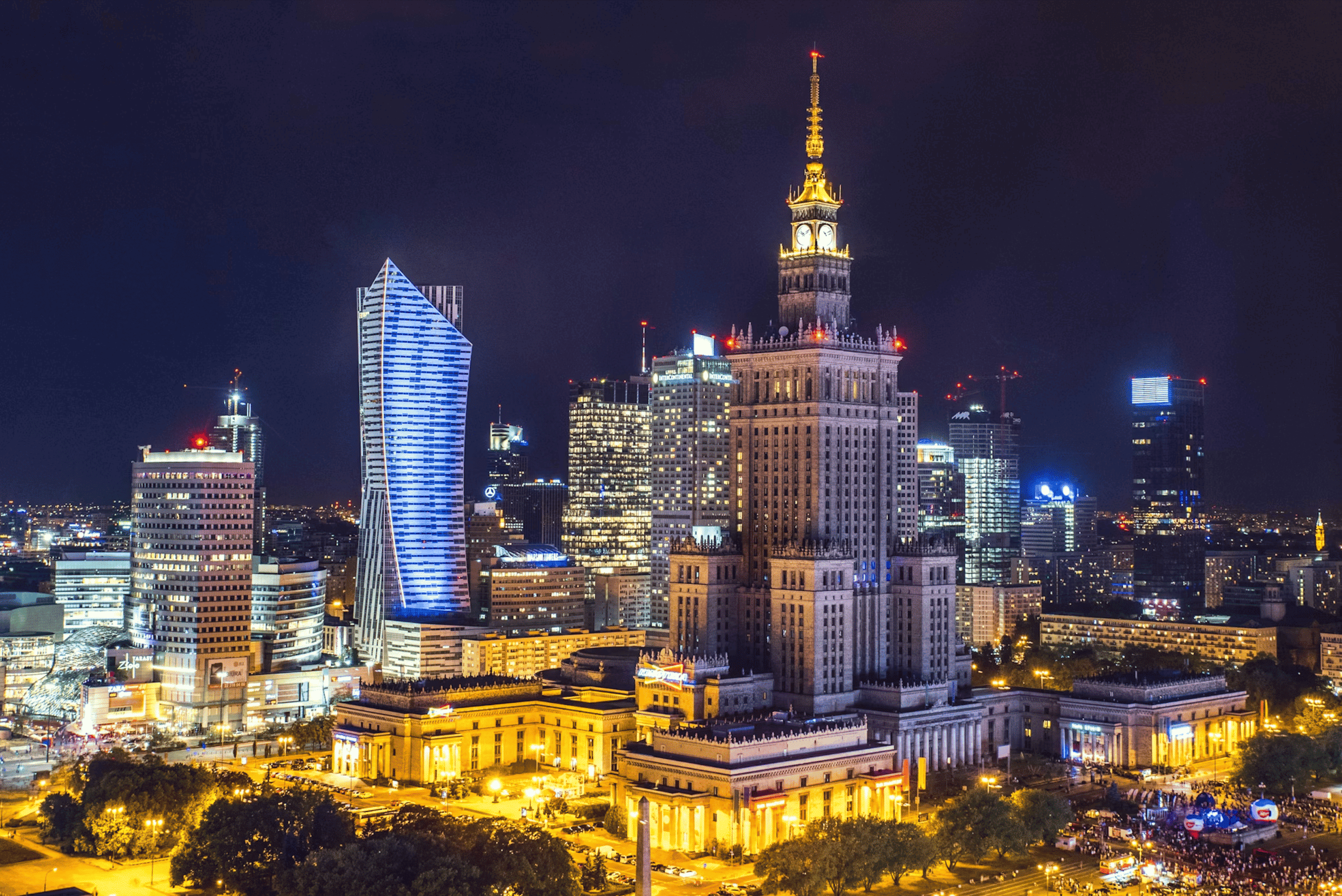
Poland: A Strategic Freelance Hub in Europe
Poland has become one of Europe’s most attractive freelance markets.
Highly qualified talent, strong technical expertise, and competitive rates make Polish professionals particularly appealing to international companies.
At the same time, remote work has removed geographical barriers. Freelancers can now access global opportunities, without leaving their home country.
The Hidden Complexity of Freelancing
Behind the promise of independence lies a more demanding reality.
Freelancers in Poland often face:
- Heavy administrative workload (accounting, invoicing, tax compliance)
- Complex legal frameworks, especially for international contracts
- Limited social protection
- Irregular and unpredictable income
A New Expectation: Freedom + Security
In a rapidly evolving European market, freelancers who invest in the right structure today will be the ones best positioned to secure long-term growth, stability, and access to high-value international opportunities. And nowadays, the freelance market is maturing.
Now, consultants are no longer willing to choose between independence or stability. They want both.
This shift is driving the rise of a hybrid model across Europe: umbrella employment (portage salarial).

Umbrella Employment: A Smarter Way to Freelance
Umbrella employment creates a three-way relationship between the freelancer, the client, and the umbrella company.
Basically, it allows professionals to:
- Work independently
- Keep control over their missions and rates
- While benefiting from employee status
The umbrella company handles:
- Contracts
- Invoicing
- Tax and social contributions
Meanwhile, the freelancer receives a salary and social protection.
Why This Model Makes Sense in Poland
Poland’s freelance ecosystem makes umbrella employment particularly relevant.
- International projects are increasing: More freelancers work with foreign clients, creating legal and administrative complexity.
- Compliance is becoming critical: Companies require secure, structured collaboration models.
- Regulations are tightening: Managing tax and legal obligations alone is becoming increasingly risky.
- Talent expectations are evolving: Experienced freelancers want stability, not just flexibility.
Skalis Europe: Structuring Freelance Success
Skalis Europe supports freelancers across Europe with a simple promise:
Work freely. Stay protected. Scale confidently.
As an umbrella company, Skalis creates a structured framework where freelancers can operate independently while benefiting from employment status.
This model is based on a tripartite relationship: the freelancer brings the mission, Skalis signs the contract, and the client receives the service.
What freelancers gain:
- Full administrative management
- Salary-based income with social protection
- Cross-border compliance
- Personalized support
- Access to larger, international clients
Skalis allows you to focus on your expertise, while everything else is handled by us.
A Win-Win Model
Umbrella employment benefits both sides of the market.
For freelancers:
- More security
- Less administrative burden
- Better access to opportunities
For companies:
- Easy access to international talent
- No need for local legal structures
- Full compliance and reduced risk
This dual advantage explains why the model is expanding rapidly across Europe.
The Future of Freelancing in Poland
Freelancing in Poland is entering a new phase.
The first wave was about access to clients, platforms, and remote work.
The next wave is about structure.
The most successful freelancers will not only be skilled, they will be strategically positioned, compliant, and scalable.
Ready to Structure Your Freelance Activity?
Freelancing is evolving. Make sure your structure evolves with it.